
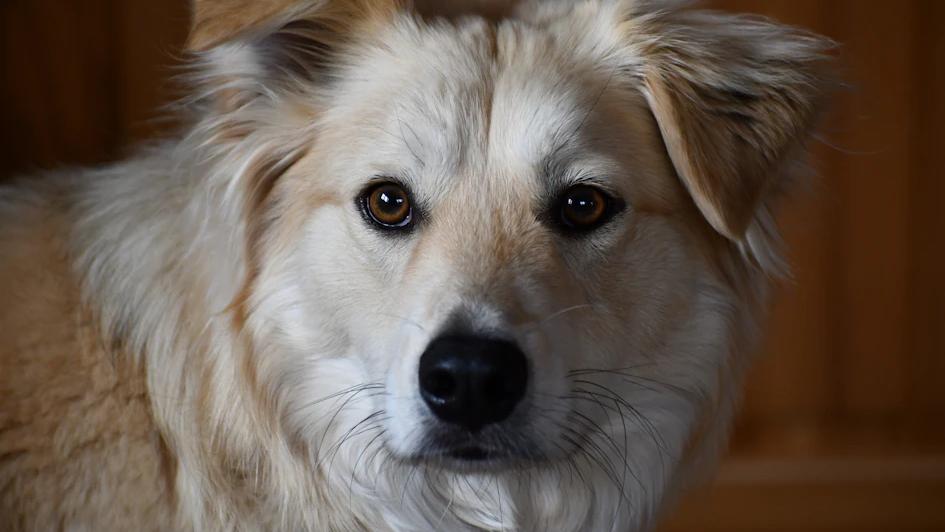
Dog Ear Smells Like Yeast? Here’s What It Means & What To Do
You lean in to give your furry best friend a cuddle, burying your face in their soft fur. But then you catch a whiff of something… off. It’s not the usual dog smell. It’s a distinct, musty, almost sweet odor, like a brewery or a loaf of bread proofing on the counter.
If you’ve noticed your dog ear smells like yeast, you’re not just imagining things. This specific scent is a major clue that something is brewing inside that ear canal, and it’s your dog’s way of asking for help.
Don’t worry. You’re in the right place. We’re going to break down exactly what that smell means, what other signs to look for, and the concrete steps you need to take to get your pup comfortable and healthy again.
The Telltale Scent: Why Does My Dog’s Ear Smell Like Yeast?
That unmistakable odor is almost always caused by an overgrowth of a specific type of yeast called Malassezia pachydermatis. This is a naturally occurring fungus that lives on your dog’s skin and in their ears in small, harmless numbers.
In a healthy ear, the body’s immune system and the ear’s natural environment keep this yeast population in check. It’s part of the normal skin microbiome, just hanging out and causing no trouble.
The problem starts when the conditions inside the ear change. A dog’s ear canal is warm, dark, and can easily become moist—the perfect five-star resort for yeast to multiply uncontrollably. When it does, you get a full-blown yeast infection, medically known as yeast dermatitis or otitis.
The American Kennel Club (AKC), a leading authority on dog health and welfare in the United States, confirms that yeast infections are one of the most common skin-related issues seen by veterinarians. According to their experts, these infections can cause significant discomfort and require proper medical attention to resolve. Learn more from the AKC about yeast infections in dogs.
Is It Just a Smell, or Is It an Infection?

The yeasty smell is your first and most obvious clue, but it’s rarely the only one. A yeast infection is an active, irritating condition, and your dog’s behavior and the ear’s appearance will tell you the rest of the story.
Think of the smell as the smoke alarm going off. Now you need to look for the fire. Ignoring these additional signs can lead to more severe pain, secondary bacterial infections, and even hearing damage over time.
Key Symptoms of a Dog Ear Yeast Infection
Keep a close eye out for these telltale signs that often accompany the smell. PetMD, a trusted online veterinary health resource, provides a detailed breakdown of symptoms to watch for. Their guidance helps pet owners identify problems early, which is crucial for effective treatment. See PetMD’s full list of ear infection signs.
Here are the most common symptoms to look for:
- Persistent Itching and Scratching: Is your dog constantly digging at their ear with a back paw or rubbing their head on the carpet? This is a classic sign of intense irritation.
- Aggressive Head Shaking: A quick shake after a nap is normal. Violent, repeated head shaking is not. They are trying to physically dislodge the discomfort inside their ear.
- Redness and Swelling: Gently lift the ear flap (pinna) and look inside. An infected ear will often look red, inflamed, and puffy compared to the healthy ear.
- Dark, Waxy Discharge: Healthy ear wax is typically light brown and minimal. A yeast infection produces a characteristic dark brown or black, waxy, and often crumbly discharge that can have a greasy texture.
- Pain and Sensitivity: Your dog might yelp, whine, or pull away when you try to touch their head or ears. They may become irritable or reluctant to be petted.
- Crusts, Sores, or Hair Loss: Chronic scratching can lead to scabs, open sores (excoriations), and hair loss around the ear and on the ear flap.
- Head Tilting: You might notice your dog holding its head at an unusual angle, with the infected ear tilted down. This can indicate the infection is affecting their balance.
The Root Causes: What Triggers Yeast Overgrowth in Dogs?

A yeast infection is rarely a standalone problem. It’s usually a secondary issue, meaning an underlying condition created the perfect environment for the yeast to take over. To truly solve the problem and prevent it from coming back, you and your vet need to play detective and find the root cause.
Moisture is the Enemy
Yeast thrives in dampness. Any activity that introduces moisture into the ear canal can set the stage for an infection. This is the most common and straightforward trigger.
Think about activities like swimming in a lake or pool, getting water in the ears during a bath, or even just living in a very humid climate. If that moisture doesn’t get dried out, it creates a swampy, warm incubator perfect for yeast.
Allergies: The Hidden Culprit
This is the big one. Allergies are one of the most common underlying causes of recurring ear infections in dogs. The allergic reaction—whether to food or something in the environment—causes inflammation throughout the body, especially the skin.
This inflammation makes the ear canal lining swell, increases wax production, and disrupts the skin’s natural barrier. This creates an ideal feeding ground for yeast. The Merck Veterinary Manual, a highly respected global resource for veterinarians, emphasizes that chronic inflammation from conditions like atopy (environmental allergies) is a primary predisposing factor for otitis externa, the medical term for outer ear inflammation. Read more on otitis externa from the Merck Vet Manual.
- Food Allergies: Often linked to proteins like chicken, beef, or dairy.
- Environmental Allergies: Reactions to pollen, mold spores, dust mites, or grasses.
Ear Shape and Breed Predisposition
Your dog’s anatomy can unfortunately work against them. Breeds with long, heavy, floppy ears are poster children for ear infections. Their ear flaps cover the canal, trapping heat and moisture and preventing healthy air circulation.
This creates that dark, warm, humid environment yeast loves. As you might expect, certain breeds are more susceptible than others. PetMD, a go-to source for pet care information, has compiled lists of breeds that are genetically prone to ear problems due to their ear structure and other factors like hair growth inside the canal. Discover which dog breeds are prone to ear infections.
Commonly affected breeds include:
- Cocker Spaniels
- Basset Hounds
- Golden Retrievers
- Labrador Retrievers
- Poodles
- Shar-Peis
Other Underlying Health Issues
Less commonly, other systemic health problems can compromise the immune system or alter the skin’s environment, leading to yeast overgrowth. These can include hormonal imbalances like hypothyroidism or Cushing’s disease, or autoimmune disorders.
What to Do When Your Dog’s Ear Smells Like Yeast
Okay, you’ve confirmed the smell and probably spotted a few other symptoms. Now what? Your next steps are critical for getting your dog relief quickly and safely.
Step 1: Do Not Panic (and Don’t Reach for Home Remedies Yet)
Your first instinct might be to search for a quick home fix. Please resist this urge. Using things like apple cider vinegar, hydrogen peroxide, or rubbing alcohol in an inflamed ear can cause immense pain and damage.
Crucially, if the eardrum happens to be ruptured (which you can’t see), putting any liquid into the ear can cause permanent hearing loss or neurological issues. Leave the treatment to the professionals.
Step 2: Schedule a Vet Visit Immediately
This is the single most important step. A dog ear smells like yeast warrants a professional diagnosis. Your veterinarian is the only one who can safely and accurately determine what’s going on.
During the visit, your vet will perform a few key procedures:
- Otoscopic Exam: They will use an otoscope to look deep inside the ear canal to assess the level of inflammation, check for foreign objects or polyps, and inspect the eardrum.
- Cytology: This is the gold standard for diagnosis. They will take a swab of the discharge from the ear, stain it on a microscope slide, and look at it under high magnification. This allows them to confirm if it’s yeast, bacteria (and what kind), or both, and in what quantity.
Step 3: Following Your Vet’s Treatment Plan
Once a yeast infection is confirmed, your vet will prescribe a multi-step treatment plan. According to veterinary experts at PetMD, a comprehensive approach is necessary to not only clear the current infection but also address the underlying cause. Explore treatment details for yeast infections from PetMD.
Treatment typically involves:
- A Thorough, Professional Cleaning: The vet will first clean out all the gunk and discharge from the ear. This removes the bulk of the yeast and allows the medication to reach the skin.
- Prescription Antifungal Medication: You will likely go home with medicated ear drops or an ointment. These contain powerful antifungal agents that you’ll need to administer daily for a set period, often 7-14 days.
- Oral Medications: For severe or chronic cases, your vet may also prescribe an oral antifungal medication to fight the infection systemically.
- Addressing the Underlying Cause: This is the key to long-term success. If allergies are suspected, your vet will discuss food trials, allergy medication, or other management strategies.
Prevention is Better Than a Cure: Keeping Yeast Infections at Bay
Once the current infection is cleared, your focus should shift to prevention. You can’t change your dog’s floppy ears, but you can manage their environment to make it less hospitable for yeast.
Master the Art of Ear Cleaning
Regular, gentle ear cleaning with a vet-approved solution is your best defense. This helps remove excess wax and debris before it can build up and feed a yeast bloom. Ask your vet to recommend a good cleaner and to show you the proper technique.
Never use Q-tips, which can push debris further into the canal or damage the eardrum. Instead, squirt the solution into the ear, massage the base of the ear for 30 seconds (you’ll hear a squishing sound), and let your dog shake their head. Then, wipe the outer ear clean with a cotton ball or gauze.
Dry Ears are Happy Ears
Make it a strict rule to thoroughly dry your dog’s ears after every bath, swim, or romp in the rain. Gently place a cotton ball (not a swab) in the opening of the ear canal to soak up excess moisture. For dogs who swim a lot, your vet might recommend a specific drying ear solution.
Address Allergies Head-On
If allergies are the root cause, managing them is non-negotiable for preventing future ear infections. Work closely with your vet to explore options like:
- Hypoallergenic diets
- Omega-3 fatty acid supplements
- Antihistamines or other allergy medications
- Cytopoint or Apoquel injections
Key Takeaways for a Healthy-Eared Pup
- The distinct smell of yeast, bread, or corn chips from your dog’s ear is a major red flag for an infection.
- Look for supporting symptoms like head shaking, scratching, redness, and a dark, waxy discharge.
- Dogs with floppy ears (like Spaniels and Retrievers) and dogs with allergies are at a much higher risk.
- Self-diagnosing and using home remedies is risky. Always see a veterinarian for a proper diagnosis.
- A vet will use a microscope to confirm the presence of yeast before prescribing treatment.
- Long-term prevention hinges on a routine of keeping the ears clean, dry, and managing any underlying allergies.
Can a dog ear yeast infection go away on its own?
It is extremely rare for a significant yeast ear infection to resolve on its own. The conditions that allowed the overgrowth in the first place will persist, and without medical intervention to kill the yeast and address the inflammation, the infection will likely worsen, causing more pain and potential complications.
Is a dog ear yeast infection contagious to other pets or humans?
No, it is not contagious. The Malassezia yeast is a normal resident on the skin of most animals, including other pets and humans. The infection is an overgrowth problem specific to that individual dog’s ear environment and health status, not something that can be passed along.
How long does it take to clear up a dog ear yeast infection?
With consistent treatment using prescribed medication, you should start to see a noticeable improvement in your dog’s comfort within 2-3 days. However, it’s crucial to complete the full course of medication—often 7 to 14 days—to ensure the infection is completely eradicated. Stopping treatment early is a common reason for recurrence.
What’s the difference between a yeast and bacterial ear infection?
While they share many symptoms like pain and inflammation, the discharge can be a clue. Yeast infections typically produce a dark brown, waxy substance. Bacterial infections can sometimes produce a yellow or green, pus-like discharge. However, many infections are mixed (containing both bacteria and yeast), and only a vet performing cytology with a microscope can tell them apart for certain and prescribe the correct medication.
Your Next Step for a Happy, Healthy Dog
That yeasty smell from your dog’s ear isn’t just a quirky odor—it’s a clear signal that they are uncomfortable and need your help. By recognizing the signs, understanding the causes, and seeking prompt veterinary care, you’re doing the absolute best thing for your companion.
An ear infection is more than a minor nuisance; it’s a painful condition that affects your dog’s quality of life. Taking swift action and focusing on preventative care will ensure your dog’s ears stay healthy, comfortable, and ready for all the head scratches they deserve.