
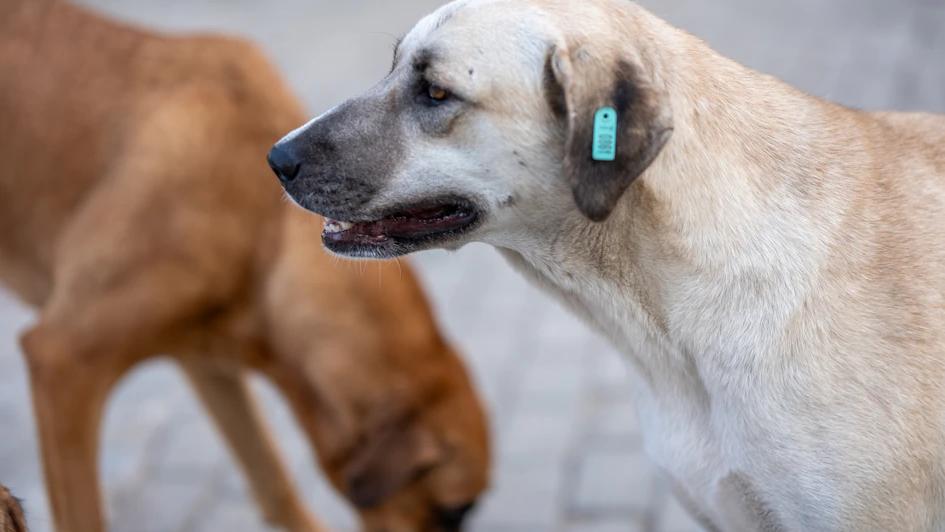
Why Do My Dog's Ears Smell Bad? Expert Guide
That distinct, sometimes pungent, aroma wafting from your furry friend’s ear can be a real head-scratcher, right? If you’re wondering, “If you’re wondering, “Why do my dog’s ears smell bad”, you’re not alone.?” you’re not alone. This common canine conundrum can range from a mild funk to a truly offensive odor, and it’s often a sign that something needs attention.
Understanding the root cause is the first step to a happier, healthier, and better-smelling dog. We’ll dive deep into the most common culprits, from simple hygiene oversights to underlying medical conditions, and equip you with the knowledge to tackle that unpleasant dog ear smell head-on.
The Usual Suspects: What Causes That Dog Ear Smell?
There are several reasons why your dog’s ears might be emitting an unpleasant odor. Often, it’s a combination of factors related to the ear’s environment and the dog’s overall health.
Yeast Overgrowth
One of the most frequent offenders behind a bad dog ear smell is yeast. Dogs naturally have some yeast in their ear canals, but when conditions become favorable, it can multiply rapidly. This overgrowth leads to inflammation and that characteristic musty, yeasty smell, sometimes described as similar to stale beer or corn chips.
Factors like moisture, heat, and underlying allergies can create the perfect breeding ground for yeast. Breeds with floppy ears, like Basset Hounds or Cocker Spaniels, are particularly prone to this because their ear flaps trap moisture and limit airflow, making it harder for the ear canal to stay dry.
Bacterial Infections
Similar to yeast, bacteria are also naturally present in a dog’s ear. However, a disruption in the ear’s balance can cause a bacterial population to explode, leading to a secondary infection. This often results in a foul, This often results in a foul, sometimes described as “rotting meat” or “fishy,” odor…
Bacterial infections often accompany yeast infections, creating a double whammy of odor and discomfort. PetMD notes that these infections can cause significant pain and irritation for your dog, making them paw or scratch at their ears excessively. According to PetMD, a combination of yeast and bacteria is a common cause of foul-smelling ears.
Allergies
Allergies are a huge underlying factor for many ear problems in dogs, and consequently, for bad ear smells. Environmental allergens (like pollen, dust mites, or mold) or food allergens can trigger a systemic inflammatory response in your dog. This inflammation often manifests in the skin, including the skin within the ear canal.
This inflammation can lead to increased wax production, moisture, and a compromised ear environment, setting the stage for yeast and bacterial overgrowth. If your dog has chronic ear issues that keep coming back, allergies are a strong possibility. Identifying and managing these allergies is crucial for long-term ear health.
Excessive Wax Buildup
Sometimes, the smell isn’t from an active infection but from a significant accumulation of ear wax. This wax, when trapped and stagnant, can begin to decompose and develop an odor. It can also become a perfect hiding place for yeast and bacteria.
Certain breeds are genetically predisposed to producing more ear wax than others. Additionally, a lack of regular cleaning can allow wax to build up over time. The wax itself might not smell terrible initially, but as it ages and collects debris, it can certainly start to stink.
Foreign Objects
It might sound unlikely, but a foreign object lodged in the ear canal can cause irritation, inflammation, and subsequent infection, leading to a foul smell. This could be anything from a blade of grass or a tick to a small piece of debris that the dog managed to get in its ear while playing outdoors.
If a foreign object is present, it can create a blockage, trapping moisture and preventing proper drainage, which, as we’ve seen, is a recipe for odor. The irritation can also cause the ear to bleed, adding a metallic scent to the mix.
Ear Mites
While more common in puppies and kittens, ear mites can infest adult dogs too. These tiny parasites live in the ear canal and feed on ear wax and skin oils. Their presence causes intense itching and irritation, leading to scratching and inflammation.
The debris left by ear mites, combined with the irritation and potential secondary infections, can create a distinct, unpleasant odor. You might also notice dark, crumbly discharge that resembles coffee grounds if ear mites are the culprit.
Poor Hygiene and Cleaning Habits
This is perhaps the most straightforward reason: infrequent or improper ear cleaning. If your dog’s ears aren’t cleaned regularly, especially if they are prone to wax buildup or moisture, odors can develop.
Simply put, dirt, debris, and natural ear secretions can accumulate. When this organic matter sits in a warm, dark ear canal, it’s bound to start smelling. This is where consistent, gentle cleaning comes into play.
Underlying Health Conditions
In some less common cases, a bad ear smell could be a symptom of a more serious underlying health issue. For instance, certain autoimmune diseases or even, very rarely, ear cancer, can manifest with ear odor and other symptoms.
PetMD discusses ear cancer in dogs, noting that while rare, it can affect the ear canal and surrounding tissues. Symptoms can include discharge, odor, and pain. Research published by PetMD highlights the importance of veterinary diagnosis for persistent ear issues.
Recognizing the Signs: More Than Just a Smell

While a bad smell is a major indicator, your dog might show other signs that their ears need attention. Paying attention to these symptoms can help you intervene sooner.
Excessive Scratching or Pawing
This is a classic sign that your dog is uncomfortable. If they are constantly scratching at their ears, shaking their head, or pawing at their face, it indicates irritation or pain.
Redness and Swelling
When you gently pull back your dog’s ear flap, look for redness or swelling inside the ear canal. This is a clear sign of inflammation, often caused by infection or irritation.
Discharge
Any unusual discharge from the ear is a red flag. It can be brown, yellow, or even bloody. The consistency can range from waxy to pus-like. The smell often accompanies the discharge.
Head Tilting or Loss of Balance
If the infection or inflammation is severe, it can affect the middle or inner ear. This can lead to symptoms like a persistent head tilt, dizziness, or even loss of balance.
Pain or Sensitivity
Your dog might yelp or react negatively when you try to touch their ears or head. This indicates they are experiencing pain.
Visible Debris
Sometimes, you can see accumulated wax, dirt, or other debris in the ear canal with the naked eye, especially in dogs with less fur inside their ears.
What Can You Do About Smelly Dog Ears?

Addressing a bad dog ear smell requires a multi-pronged approach, focusing on identifying the cause, cleaning properly, and seeking veterinary help when necessary.
1. Gentle Cleaning is Key
Regular cleaning is crucial, especially for dogs prone to ear issues. However, it’s vital to do it correctly to avoid causing more harm than good.
- Use a Veterinary-Approved Ear Cleaner: Never use water, alcohol, or hydrogen peroxide, as these can irritate the ear canal. Opt for a pH-balanced ear cleaner specifically formulated for dogs. Data from PetMD strongly recommends using appropriate ear cleaning solutions.
- How to Clean: Gently lift the ear flap and squirt the solution into the ear canal until it’s full. Massage the base of the ear for about 20-30 seconds – you’ll often hear a squishing sound, which means the cleaner is working its way down.
- Wipe Away Debris: Allow your dog to shake their head to expel excess cleaner and debris. Then, use a clean cotton ball or gauze pad to gently wipe away any visible dirt or moisture from the outer part of the ear canal. Never use cotton swabs (Q-tips) deep inside the ear canal, as you can push debris further in or damage the eardrum.
2. When to See the Vet
While routine cleaning can prevent many issues, some problems require professional intervention. You should consult your veterinarian if:
- The smell is strong and persistent.
- You notice significant redness, swelling, or discharge.
- Your dog shows signs of pain or distress.
- You suspect a foreign object or ear mites.
- Home cleaning doesn’t resolve the odor or symptoms.
Your vet can accurately diagnose the cause of the smell, whether it’s a specific type of infection (yeast vs. bacteria), allergies, or something else. They can prescribe appropriate medications, such as antifungal or antibacterial ear drops, or allergy treatments.
3. Managing Allergies
If allergies are identified as the root cause, working with your vet to manage them is paramount. This might involve:
- Dietary changes: If a food allergy is suspected, your vet might recommend an elimination diet.
- Medications: Antihistamines, steroids, or immunotherapy (allergy shots) may be prescribed.
- Environmental control: Reducing exposure to common allergens like dust mites or pollen.
Addressing allergies can significantly reduce the incidence of ear infections and the associated smells.
4. Diet and Nutrition
A balanced diet rich in omega-3 and omega-6 fatty acids can support skin and coat health, which in turn can help maintain healthy ear canals. While diet alone won’t cure an infection, it can contribute to overall well-being and resilience.
5. Regular Grooming
For dogs with particularly hairy ear canals, regular plucking of excess hair (done gently and carefully, or by a groomer) can improve airflow and reduce the risk of debris getting trapped.
Common Mistakes to Avoid
When dealing with your dog’s smelly ears, it’s easy to make mistakes that can worsen the problem.
- Using the Wrong Cleaning Agents: As mentioned, avoid alcohol, peroxide, or plain water. These can disrupt the natural pH of the ear and cause irritation.
- Over-Cleaning: Cleaning too often can strip the ear of its natural protective oils, leading to dryness and irritation, or even stimulating more wax production.
- Not Cleaning Deeply Enough (or Too Deeply): You need to get the cleaner down into the canal, but never push anything beyond the visible part of the ear canal with a Q-tip.
- Ignoring the Smell: A persistent bad smell is not normal. It’s your dog’s way of telling you something is wrong.
- Self-Diagnosing Complex Issues: While you can clean and observe, a definitive diagnosis for infections, allergies, or other conditions should come from a veterinarian.
Frequently Asked Questions About Smelly Dog Ears
What does a healthy dog ear smell like?
A healthy dog’s ear should have a very mild, slightly waxy or even neutral scent. It certainly shouldn’t be pungent, yeasty, or foul. If you notice any strong or unpleasant odor, it’s worth investigating.
Can I use human ear drops on my dog?
No, you should never use human ear drops on your dog unless specifically directed by your veterinarian. Human medications can be too harsh for a dog’s ear canal and may contain ingredients that are toxic to them. Always use products formulated for canine use and recommended by your vet.
How often should I clean my dog’s ears?
The frequency of ear cleaning depends on your dog’s breed, lifestyle, and individual ear health. Dogs prone to ear infections or with floppy ears might need weekly cleaning. Others may only need it done monthly or even less frequently. Your veterinarian can provide the best recommendation based on your dog’s specific needs.
What if my dog’s ears are painful to touch?
If your dog’s ears are painful, it’s a strong indicator of an infection, inflammation, or injury. You should avoid touching them further and schedule an appointment with your veterinarian immediately. Forcing cleaning on a painful ear can cause significant distress and potentially worsen the condition.
Can a bad ear smell indicate ear cancer?
While rare, a persistent, foul odor from a dog’s ear, especially if accompanied by other symptoms like discharge, pain, or a visible mass, can be a sign of ear cancer. It’s crucial to have any chronic or severe ear issues evaluated by a veterinarian to rule out serious conditions. PetMD confirms that ear cancer is a possibility to consider for persistent ear problems.
Bringing it All Together: For a Fresher, Happier Pup
That unpleasant dog ear smell is often a cry for help from your canine companion. Whether it’s a simple case of needing a good clean, an underlying allergy, or a more significant infection, understanding the potential causes is empowering.
By staying vigilant, performing regular and proper ear care, and knowing when to call in the professionals, you can effectively manage and eliminate that offensive odor. Your dog will thank you for the relief, and your home will smell a whole lot better too. Remember, a healthy ear is a quiet ear, and a quiet ear is usually a good-smelling ear.