
The Ultimate Guide to Dog Odor Causes & Solutions
Few things are more enjoyable than snuggling up to your canine companion—until that moment when a distinctly unpleasant smell interrupts the bonding. While all dogs possess a natural scent, a persistent or overwhelming bad dog smell is often a strong indicator that something is amiss, whether environmentally or internally. Understanding the root cause is the critical first step toward effective dog odor solutions.
This comprehensive guide explores the primary medical, hygiene, and environmental factors contributing to canine odor and provides expert advice for restoring your dog’s freshness.
Section 1: Primary Dog Odor Causes (Internal & Medical)
If you find yourself constantly wondering, “Why does my dog smell so bad?” and bathing isn’t solving the issue, the odor is likely linked to an underlying health problem. Ignoring these signs can lead to worsening conditions.
1. Dental Disease and Halitosis
One of the most common dog odor causes is poor oral hygiene. When plaque and tartar build up, they harbor bacteria that release volatile sulfur compounds. This results in severe halitosis (bad breath).
- The Smell: Pungent, rotten, fishy (in severe cases).
- The Solution: Regular brushing, dental chews, and professional veterinary dental cleanings.
2. Skin Infections (Yeast and Bacteria)
The dog’s skin and coat are hosts to natural microorganisms. Overgrowth, often triggered by allergies, humidity, or moisture, leads to distinct odors. This is a very frequent cause of overall bad dog smell.
- Yeast (Malassezia Dermatitis): Often affects the paws, armpits, and ears. The smell is typically described as sweet, musty, or like stale bread/corn chips (known as “Frito feet”).
- Bacterial Dermatitis (Pyoderma): Causes a heavier, sour, or truly foul odor, often accompanied by crusting, redness, and inflammation.
- The Solution: Requires veterinary assessment. Treatment typically involves medicated shampoos, topical treatments, and sometimes oral antibiotics or antifungals.
3. Anal Gland Impaction and Secretions
Every dog has two small sacs near the anus that contain a strong, fishy-smelling liquid used for marking territory. When these glands fail to express naturally during defecation (due to soft stools, obesity, or anatomy), they can become impacted, infected, or leak.
- The Smell: Intense, acrid, unmistakably fishy.
- The Solution: Regular expression (performed by a vet or professional groomer) and investigating dietary changes (like adding fiber) to firm up stools.
4. Ear Infections (Otitis)
Because a dog’s ear canals are L-shaped and often covered by floppy ears, they retain moisture easily, creating a perfect breeding ground for yeast and bacteria. A dog with an ear infection will often present with a noticeable smell originating from the head.
- The Smell: Yeasty, musty, or very sour.
- The Solution: Immediate veterinary consultation, as untreated infections can lead to chronic issues and pain.
Section 2: Environmental and Hygiene-Related Causes
Not all odors are medical. Sometimes, the solutions are found in adjusting grooming routines or environmental factors.
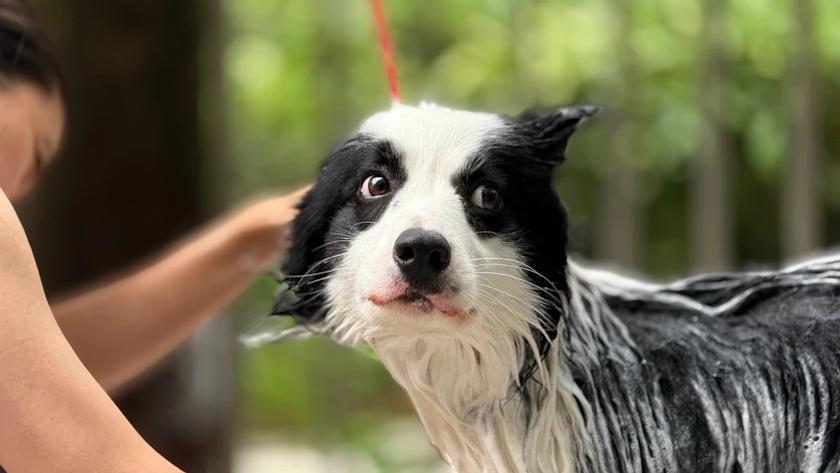
1. The Wet Dog Smell Phenomenon
When a dog gets wet, water binds to the existing bacteria and yeast thriving in their coat. As the water evaporates, it carries odor compounds into the air, amplifying the typical canine scent. This is a short-term odor, but if the dog is not dried thoroughly, it can transition into a true skin infection (as noted in Section 1).
- Practical Tip: Always towel-dry thoroughly, especially thick-coated breeds, or use a low-heat pet dryer after swimming or bathing.
2. Diet and Flatulence
Poor quality diets, especially those high in fillers or ingredients difficult for your dog to digest, can lead to excessive gas and an unpleasant smell. Some dogs also have specific intolerances that manifest as digestive distress.
- Practical Tip: Review your dog’s food. Switching to a high-quality, easily digestible food, or one specifically formulated for sensitive stomachs, can often eliminate chronic gas.
3. External Contamination
Dogs are notorious for rolling in things they find appealing but humans find revolting—dead animals, manure, or skunk spray. This is an obvious, but powerful, source of acute bad dog smell.
- The Solution: Immediate deep cleaning using specialized deodorizing shampoos (not just regular dog shampoo, which can mask the scent temporarily).
Section 3: Effective Dog Odor Solutions and Prevention Strategies
Implementing a robust, proactive routine is the best defense against recurring dog odor problems. These solutions blend professional care with consistent at-home habits.
1. Optimize Your Grooming Routine
Consistency is key. The frequency of bathing depends heavily on the breed, coat type, and lifestyle, but most dogs benefit from a bath every 3 to 6 weeks.
- Invest in Quality Products: Use deodorizing shampoos specifically formulated with neutralizing ingredients like baking soda or enzymatic formulas.
- Deep Brushing: Regular brushing removes dead hair, dirt, and trapped debris that can hold odors, while also distributing natural oils.
- Paw Hygiene: If you notice “Frito feet,” ensure you wash and dry paws thoroughly, as yeast thrives in moisture between the pads.
2. Control the Environment
Your dog’s scent doesn’t just stay on your dog; it permeates their surrounding environment. If the bedding is stinky, the dog will always smell stinky, too.
- Wash Bedding Weekly: Dog beds, blankets, and crate liners should be washed in hot water at least once a week.
- Use Air Filters: High-quality HEPA air purifiers can significantly reduce pet dander and airborne odors in your home.
- Clean Toys: Rubber and plush toys should be sanitized regularly, as saliva buildup quickly becomes foul-smelling.
3. Consistent Veterinary and Dental Care
Veterinary oversight is crucial for long-term dog odor management. If the cause is medical, home remedies will fail.
- Annual Dental Checkups: Ensure your vet examines teeth, gums, and performs professional cleanings as needed to combat advanced dental disease.
- Allergy Management: If the dog odor is linked to chronic skin issues, collaborate with your vet on a comprehensive allergy management plan (diet, medication, and supplements like Omega fatty acids) to reduce inflammation and infection rates.
Section 4: When to Seek Veterinary Care
While good hygiene solves many mild odor issues, a sudden or severe change in your dog’s scent profile requires professional attention. Always consult your veterinarian immediately if you notice:
- Sudden Onset Odor: A foul smell that develops rapidly, especially if accompanied by behavioral changes (lethargy, lack of appetite).
- Skin Symptoms: Intense scratching, hair loss, open sores, or visible redness/pus.
- Scooting or Licking: Excessive licking of the anal area, which indicates anal gland distress.
- Persistent Bad Breath: Halitosis severe enough that it prevents close contact, which signals advanced periodontal disease or potential systemic issues like kidney or liver problems.
Effective dog odor solutions rely on accurate diagnosis. Treating an internal problem with an external fix (like perfume or heavy grooming) only delays true recovery.
Conclusion
Dealing with persistent dog odor can be frustrating, but recognizing that it’s often a symptom rather than a standalone problem empowers owners to seek the right treatment. By combining diligent hygiene practices, environmental management, and timely professional veterinary care, you can successfully address the primary dog odor causes, ensuring a healthier, happier, and much fresher-smelling companion.