
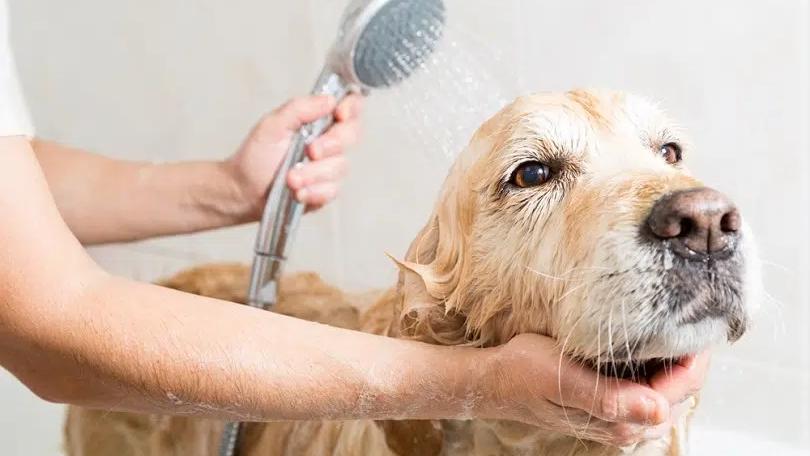
Why Your Dog Smells Even After a Bath: Hidden Odor Causes
Introduction: Addressing Persistent Canine Odor
As responsible dog owners, we prioritize our pet’s hygiene. We invest in high-quality shampoos, follow proper bathing techniques, and dedicate time to scrubbing away dirt and grime. So, when you notice that pervasive, unwelcome scent immediately returning—or perhaps never fully disappearing—the frustration is palpable. Why does your dog smell even after bath time is complete?
The answer is complex. When surface dirt is eliminated, persistent canine odor points to deeper, often clinical, causes. This persistent odor is rarely a sign of poor grooming; it is frequently an indicator that the dog’s internal systems, skin health, or specific glands require attention. Understanding the root cause is the critical first step in achieving long-term freshness.
Understanding Why the Dog Smell Lingers
Before exploring medical causes, it is essential to understand how a dog’s skin and coat function and how external factors contribute to recurring odor.
The Skin and Coat Ecosystem
A dog’s skin produces sebum, a natural, oily substance crucial for moisturizing the skin and protecting the coat. While necessary, sebum is a prime food source for naturally occurring bacteria and yeast (part of the dog’s normal skin microbiome). When the environment is damp or when sebum production is unbalanced, these microorganisms multiply rapidly, leading to the distinct, sometimes sour, dog smell.
Common Environmental Contaminants and the “Wet Dog” Smell
Many owners mistakenly attribute recurring smells to the notorious “wet dog” phenomenon. The true wet dog smell is caused by volatile organic compounds (VOCs) released by bacteria and yeast as water evaporates from the coat. If the coat is not thoroughly dried after a bath, or if the dog quickly returns to damp environments (like humid grass or wet bedding), the odor cycle restarts almost immediately.
However, if the dog smell even after bath is noticeable and immediate, the dog likely rolled in something highly pungent or the bathing process failed to remove the odor source entirely.
Hidden Medical Causes of Persistent Dog Odor
If the odor is consistent, regardless of recent bathing, the source is almost certainly medical. A veterinary visit is crucial to diagnose and treat these underlying health issues.
1. Dermatitis and Skin Infections
The most common clinical cause of persistent odor is dermatitis, which leads to bacterial or yeast overgrowth. Both generate powerful, unpleasant odors:
- Yeast Infection (Malassezia Dermatitis): Often results in a musty, pungent smell sometimes likened to stale bread, corn chips, or cheese (especially noticeable on the paws, hence the term “Frito feet”). This condition thrives in moist areas like the armpits, inner thighs, and ears, often accompanying allergic reactions.
- Bacterial Infection (Pyoderma): Smells often described as stale, foul, or sickly sweet. This requires prescription antibiotics and often medicated bathing protocols (e.g., chlorhexidine shampoos) to resolve.
2. Anal Gland Issues
Anal glands, small sacs located on either side of the anus, contain an intensely potent, foul-smelling fluid used for territorial marking. These glands naturally express fluid when the dog defecates. If they become impacted, infected, or simply fail to express properly, the fluid leaks out, resulting in an overwhelmingly fishy or metallic odor. This is often the most intense and offensive odor an owner encounters, and it is almost impossible to wash away with standard shampoo.
3. Dental Disease (Halitosis)
While dental odor is primarily localized to the mouth, severe periodontal disease can contribute significantly to the overall perception of a smelly dog. Plaque and tartar buildup harbor anaerobic bacteria, leading to halitosis (bad breath) that can permeate the dog’s immediate vicinity. Regular brushing and professional dental cleanings are vital for oral hygiene.
4. Ear Infections
Dogs with floppy ears (like Cocker Spaniels or Basset Hounds) are prone to ear infections, which are often yeast-based. The ear canal, being warm and dark, is a perfect incubator for microbes. An infected ear can emit a strong, heavy, rancid scent that contributes significantly to the overall body odor, even if the rest of the coat is clean.
Are You Bathing Your Dog Correctly? The Protocol Fix
Sometimes, the issue is not the dog’s health, but an error in the grooming process that fails to eliminate the source of the persistent dog smell even after bath time.
Using the Wrong Shampoo
Human shampoos are formulated for the pH balance of human skin, which is much more acidic than canine skin. Using human products or harsh detergents can strip the dog’s natural oils (sebum) excessively. The skin then overproduces oils in response, creating a rich environment for bacteria to feed on, leading to a quick return of the odor.
- Practical Tip: Always use vet-recommended or high-quality, pH-balanced canine shampoo. If your dog is dealing with recurring odor, try an enzymatic odor-neutralizing shampoo designed to break down odor-causing compounds rather than just mask them.
Insufficient Rinsing and Drying
Residual shampoo left in the coat is a magnetic attractor for dirt, pollen, and environmental contaminants. It can also irritate the skin, leading to inflammation and subsequent bacterial overgrowth. Always rinse the dog until the water runs completely clear and the coat feels squeaky clean, paying close attention to thick-coated areas.
Crucially, inadequate drying leaves moisture deep in the undercoat, encouraging yeast proliferation and magnifying the wet dog smell. Use high-velocity pet dryers or ensure thorough toweling and air drying, especially around the base of the tail and armpits.
Addressing the Source vs. Masking the Odor
If the odor is localized (e.g., from an accident or rolling in something), spot-cleaning the specific area before the full bath is necessary. If you wash a general-purpose bath over a skunked area or leaking anal gland fluid, you simply spread the odor-causing oils across the entire coat, making the overall dog smell worse.
Proactive Solutions for Long-Term Freshness
Eliminating persistent canine odor requires a holistic approach addressing hygiene, diet, and veterinary care.
Veterinary Consultation and Diagnostics
If you have ruled out grooming errors and the dog smell persists, consult your veterinarian immediately. They can perform diagnostic tests, including skin scrapes, fungal cultures, or cytology (analyzing skin cells under a microscope), to identify yeast, bacteria, or parasites.
Treatments might include:
- Medicated shampoos (e.g., miconazole for yeast).
- Oral antifungals or antibiotics.
- Allergy testing and management (often the root cause of chronic skin issues).
- Manual anal gland expression (performed by a vet or professional groomer).
Dietary Adjustments and Supplements
Diet plays a significant role in skin health. Allergies to common proteins (like chicken or beef) or grains can manifest as chronic dermatitis and yeast infections. Switching to a limited-ingredient or novel protein diet may alleviate these reactions.
Furthermore, supplementing the diet with essential fatty acids (Omega-3s, typically derived from fish oil) can significantly improve the integrity of the skin barrier, reducing inflammation and making the coat less hospitable to odor-causing microbes.
Routine Grooming and Hygiene Checks
Establish a consistent grooming schedule that includes:
- Brushing: Daily brushing removes dead hair, sheds off contaminants, and distributes natural oils evenly, preventing buildup.
- Ear Cleaning: Weekly checks and cleaning with a vet-approved solution, especially for dogs prone to infections.
- Bedding Hygiene: Wash all dog bedding, blankets, and toys frequently, as these items absorb and harbor odor-causing bacteria that quickly transfer back to a clean coat.
Conclusion
Dealing with a dog smell even after bath time can be frustrating, but it is a manageable issue once the underlying cause is identified. Remember that bathing is a maintenance tool, not a cure for systemic health problems. By working closely with your veterinarian to address dermatitis, gland issues, or allergies, and by refining your grooming practices, you can ensure your companion is not only clean but truly healthy and fresh.