
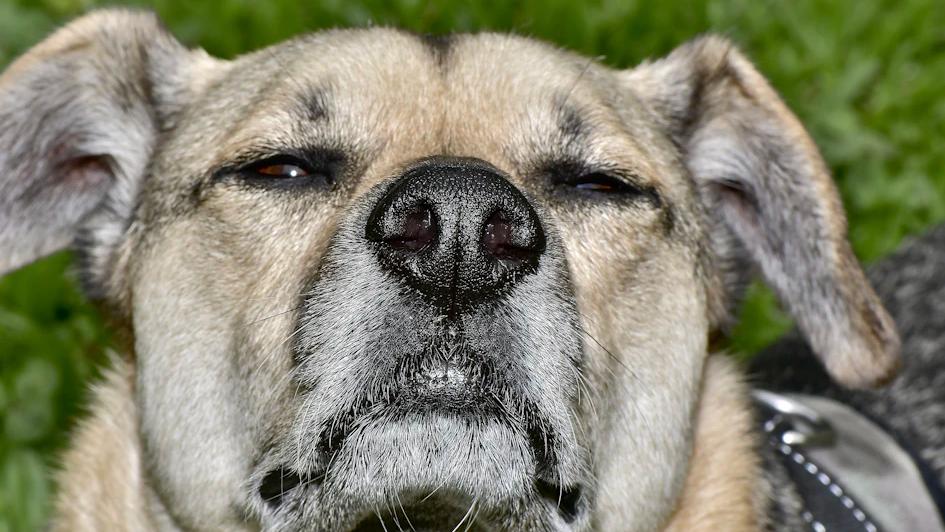
The Mystery Solved: Why Your Dog Smells Like Wet Carpet
You just bathed your dog, but within two days, that familiar musty odor is back. It’s not just a “dog smell;” it’s a distinct, almost mildewy funk. It reminds you exactly of a damp basement or, worse, old, wet carpet.
If your dog smells like wet carpet, you are definitely not alone. This specific scent is incredibly common, and thankfully, it usually points to a few distinct, treatable causes. The good news is that this isn’t usually just dirt. It’s microbiology, and we can manage it.
As someone who has managed canine skin issues for years, I can tell you that eliminating this odor is less about perfume and more about controlling the microscopic environment on your dog’s skin. Here is your expert guide to diagnosing and fixing that persistent musty smell.
The Real Reason Behind the Musty Smell
When a dog smells like wet carpet, it’s a strong indicator of an overgrowth of yeast and bacteria. Think of it as a tiny ecosystem gone wild.
This isn’t just surface dirt. It’s the byproduct of microorganisms digesting the natural oils and moisture on your dog’s skin.
Meet the Culprit: Malassezia Pachydermatis
The primary organism responsible for this specific mildewy, earthy smell is a type of yeast called Malassezia pachydermatis. This yeast is naturally present on all dogs.
It only becomes a problem when conditions are perfect for it to multiply rapidly. When yeast overgrows, it produces volatile compounds that create that recognizable, musty odor.
What creates the perfect breeding ground?
- Moisture: Damp paws, folds of skin, or coats that aren’t dried properly after swimming or bathing.
- Oils (Sebum): Dogs with allergies often produce more skin oil (seborrhea), which is essentially yeast food.
- Humidity: High environmental humidity traps moisture against the skin.
Why Drying Isn’t Enough
Many owners assume they just need to dry their dog better. While drying is crucial, the yeast is already established in the hair follicles and skin layers.
If the yeast is blooming, you can dry the dog perfectly, and the smell will still return as the yeast continues its cycle.
Diagnosis: Where is the Odor Originating?
Before you start scrubbing your entire dog, you need to pinpoint the source. The wet carpet smell often localizes in specific areas that trap heat and moisture.
Checking the Paws (The “Frito Feet” Phenomenon)
This is the most common source of the musty odor. If you’ve ever noticed your dog’s paws smell distinctly like corn chips or tortillas, that’s the same biological process.
Bacteria (often Pseudomonas or Proteus) and yeast thrive between the paw pads and toes.
- Gently spread your dog’s toes and sniff. If the smell is concentrated here, you have a localized yeast/bacterial issue.
The Greasy Coat and Skin Folds
Feel your dog’s coat. Does the hair feel slightly sticky or waxy, even after a bath? This suggests a sebaceous gland issue, often linked to underlying allergies (environmental or food).
Breeds with skin folds (Bulldogs, Pugs, Shar-Peis) are prone to intertrigo (skin fold dermatitis), which traps moisture and requires daily cleaning.
The Hidden Culprit: Ears and Anal Glands
Sometimes, the full-body odor is actually radiating from a severe, localized infection.
- Ears: Yeast ear infections smell strongly. They might be waxy, dark brown, and incredibly pungent. If the smell is strongest near the head, check the ears immediately.
- Anal Glands: When these glands are full or infected, they release a highly concentrated, musky, or fishy odor that some people perceive as a deep, musty funk. If you notice your dog scooting or frequently licking their rear, this is a likely source.
Action Plan: Eliminating the Wet Carpet Smell
Treating this persistent odor requires a two-pronged approach: immediate cleaning and long-term environmental management.
Step 1: Medicated Bathing Routine
Standard shampoos often fail because they don’t kill the yeast and bacteria. You need a specialized wash.
- Use Medicated Shampoo: Look for products containing Chlorhexidine and/or Ketoconazole. These are powerful antifungal and antibacterial agents.
- Contact Time is Key: Do not rinse immediately. Lather your dog thoroughly and let the shampoo sit for 10–15 minutes before rinsing completely. This contact time is essential for the medication to work.
- Frequency: Start with bathing twice a week for two weeks, then transition to once weekly until the smell is gone.
Step 2: Total Drying Strategy
Moisture is the yeast’s best friend. After the medicated bath, meticulous drying is non-negotiable.
- Towel Dry Vigorously: Get as much water off as possible.
- Use a Dog Dryer: Investing in a high-velocity pet dryer is crucial, especially for thick-coated breeds. Ensure the skin is completely dry, paying close attention to the armpits, groin, and paws.
- Paws First: Use a small towel or even a hair dryer (on the cool setting!) to ensure the areas between the paw pads are bone dry.
Step 3: Managing the Internal Environment
If the odor returns quickly after rigorous cleaning, the underlying cause is likely internal (allergies).
- Consult Your Vet: Discuss allergy testing or an elimination diet trial. Many dogs with yeast issues have underlying environmental allergies (pollen, dust mites) or food sensitivities (often chicken or beef).
- Supplements: Adding high-quality Omega-3 fatty acids (fish oil) can help improve skin barrier health, making the skin less greasy and less hospitable to yeast.
Practical Tips for Odor Management
These daily habits can help keep the yeast load low between baths.
- Wipe Down Paws: Keep antifungal wipes (like those containing Miconazole) near the door. Wipe paws and lower legs immediately after walks, especially on wet or damp days.
- Clean Bedding: Wash all dog bedding weekly in hot water. The yeast and bacteria transfer easily from the dog’s coat to their sleeping area, causing re-infection.
- Avoid Wet Dog Smells: If your dog gets wet in the rain, don’t just let them air dry. Towel them off immediately and use a fan or dryer to ensure the undercoat is fully dry.
Frequently Asked Questions
Is the wet carpet smell contagious to humans or other pets?
No, the yeast (Malassezia) that causes this specific smell is a normal resident of canine skin. It only overgrows when the host dog has specific conditions, such as allergies or moisture-trapping skin folds. You won’t catch it from your dog.
Can changing my dog’s food really eliminate the musty odor?
Yes, absolutely. If your dog has a food sensitivity, it often manifests as inflammation and greasy skin (seborrhea). This oil feeds the yeast. By removing the trigger food, the skin calms down, produces less oil, and starves the Malassezia.
When is this smell serious enough to see a veterinarian?
If the smell is accompanied by visible redness, hair loss, scratching, head shaking, or if the odor returns within 48 hours of a medicated bath, it’s time to see the vet. They can perform a simple skin cytology (a microscopic swab) to confirm the yeast and bacteria levels and prescribe stronger prescription treatments if necessary.
Final Thoughts
Dealing with a dog that smells like wet carpet can be frustrating, but remember, this odor is a symptom, not the disease itself. It’s a clear signal that the skin’s delicate microflora is out of balance.
By implementing a strict routine of medicated bathing, meticulous drying, and addressing potential underlying allergies with your vet, you can restore your dog’s healthy skin and finally enjoy those odorless cuddles again.