
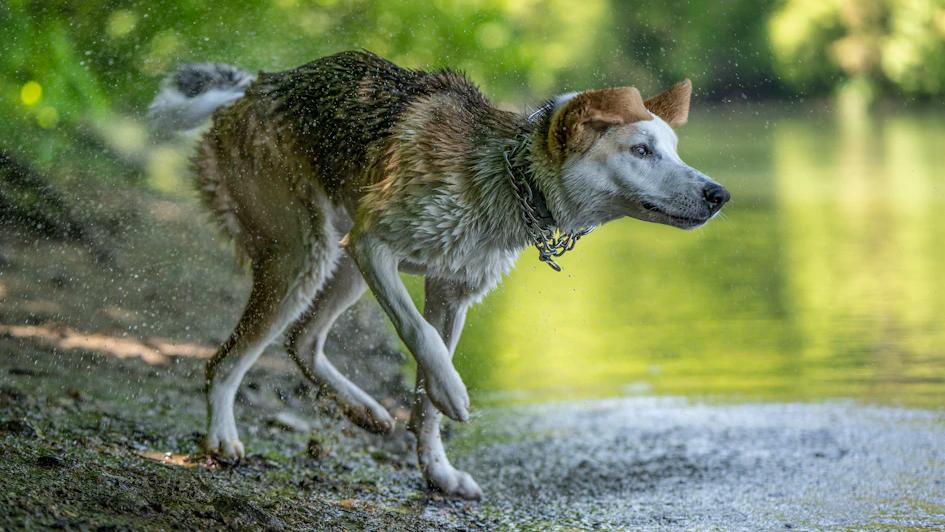
Why Does My Dog Smell Worse When Wet? The Science Explained
That unmistakable aroma. You know the one. You give your furry friend a bath, or they dash in from a rainy walk, and suddenly, your home is filled with a scent that’s… potent. It’s a common canine conundrum: why does my dog smell worse when wet? It’s not just your imagination; there’s a fascinating, and sometimes pungent, scientific reason behind it.
This isn’t about a dirty dog, but rather the natural processes happening on their skin and coat. Understanding this phenomenon can help you manage it, making bath time less of an olfactory challenge and more of a bonding experience. We’ll dive deep into the science, explore the contributing factors, and equip you with practical, real-world solutions to keep that wet dog smell at bay.
The Science Behind the ‘Wet Dog’ Funk
So, what exactly causes this signature scent? It all comes down to a combination of your dog’s natural skin oils and the microorganisms that call their coat home. Think of your dog’s skin as a bustling ecosystem. It produces oils, also known as sebum. These oils are fantastic for keeping their skin and coat healthy, providing a waterproof barrier and shine.
However, these oils also trap certain compounds. On a dry dog, these compounds are relatively contained. But when your dog gets wet, something magical (or not so magical, depending on your nose) happens. Water acts as a catalyst, releasing volatile organic compounds (VOCs) from those trapped oils and from the microbes themselves.
Microbes: The Unseen Culprits

Your dog’s skin is a haven for various microorganisms like bacteria and yeasts. These microbes are perfectly happy living in the warm, oily environment of your dog’s coat. They feed on dead skin cells, environmental debris, and, yes, those skin oils.
When your dog is dry, their population and activity are relatively stable. But when they become wet, the water changes the environment. It helps to break down the oils and releases the metabolic byproducts of these microbes into the air. These byproducts are often sulfur-containing compounds, which have a notoriously strong and unpleasant odor. It’s similar to how certain chemicals smell stronger when dissolved in water.
Common Microbes Involved
Several types of bacteria and yeasts commonly found on dogs contribute to the smell. Staphylococcus and Malassezia (a type of yeast) are frequent residents. When activated by moisture, their waste products become more noticeable. These compounds can include things like indole and skatole, which have fecal-like or decaying smells, and various sulfur compounds.
The Role of Sebum and Skin Oils

Sebum isn’t just a simple oil. It’s a complex mixture of fatty acids, waxes, and other compounds. Its primary job is to condition the skin and coat, providing protection and preventing excessive water loss. It also plays a role in scent marking, which is why dogs might roll in things that smell interesting to them.
When your dog is wet, the water disrupts the surface tension of these oils. This disruption allows the compounds within the sebum, as well as the compounds produced by the microbes living in it, to volatilize more easily. Essentially, the water helps to ‘lift’ the odor molecules off the skin and into the air. It’s like adding heat to a pan – it makes the aromas more prominent.
Why Some Dogs Smell Worse Than Others
The intensity of the ‘wet dog’ smell can vary significantly from one dog to another. Several factors contribute to this:
- Coat Type: Dogs with thicker, denser coats may trap more moisture and oils, leading to a more pronounced smell. Double-coated breeds or those with oily fur might experience this more intensely.
- Skin Condition: Dogs with certain skin conditions, like allergies or infections, may have an altered skin microbiome or produce more oils, exacerbating the odor when wet.
- Diet: A dog’s diet can influence the quality and quantity of oils produced by their skin. A diet lacking in essential fatty acids might lead to drier skin, but sometimes, imbalances can also contribute to odor.
- Grooming Habits: Infrequent bathing or brushing can allow oils and dead skin cells to accumulate, creating a richer ‘food source’ for microbes and leading to a stronger smell when wet.
- Genetics: Just like humans, some dogs are naturally more prone to producing certain types of skin oils or hosting specific microbial populations.
Beyond the ‘Wet Dog’ Smell: When to Worry
While the typical ‘wet dog’ smell is usually harmless and a natural part of dog ownership, there are times when an unusual or particularly strong odor might signal an underlying health issue. If the smell is suddenly much worse than usual, or if it has a distinctly foul, rotten, or yeasty character that doesn’t improve with grooming, it’s worth investigating.
Potential Health Concerns
- Skin Infections: Bacterial or fungal infections (like yeast infections) on the skin can produce very strong, unpleasant odors, especially when wet.
- Ear Infections: Dogs prone to ear infections often have a characteristic yeasty smell, which can become more noticeable when their head gets wet.
- Anal Gland Issues: Impacted or infected anal glands can release a very strong, fishy odor. While not directly related to being wet, if your dog has this issue and then gets wet, the smell can be amplified.
- Dental Problems: Severe dental disease can sometimes lead to a foul breath that might seem more pronounced when the dog is panting after getting wet.
- Dietary Issues: Certain metabolic conditions or food intolerances can sometimes manifest as skin issues and associated odors.
If you suspect any of these issues, a visit to your veterinarian is essential. They can diagnose the problem and recommend appropriate treatment.
Practical Tips to Combat the ‘Wet Dog’ Smell
Now for the good stuff! How can you minimize that pungent post-rain or post-bath aroma? It’s a multi-pronged approach, focusing on hygiene, coat care, and environmental management.
1. Regular Bathing: The Foundation
The most direct way to combat the smell is through regular, proper bathing. This doesn’t mean drowning your dog in soap every day, as that can strip their natural oils and lead to dry, irritated skin, potentially worsening the problem.
- Frequency: For most dogs, bathing once every 4-8 weeks is sufficient. Over-bathing can be detrimental. Consult your vet or groomer for advice specific to your dog’s breed and skin type.
- Shampoo Choice: Use a high-quality dog-specific shampoo. Look for shampoos designed to deodorize or those with natural ingredients like oatmeal or aloe vera to soothe the skin. Avoid human shampoos, as their pH levels are different and can irritate a dog’s skin.
- Thorough Rinsing: This is crucial! Shampoo residue left on the coat can contribute to odor. Rinse until the water runs completely clear and you feel no slipperiness in the fur.
2. Drying Techniques Matter
How you dry your dog after a bath or a wet outing can make a significant difference. Simply letting them air dry might prolong the time they smell ‘wet.’
- Towel Drying: Use absorbent towels to get as much moisture out as possible. Microfiber towels designed for pets are particularly effective.
- Dog-Specific Blow Dryer: If your dog tolerates it, a dog-specific blow dryer (on a cool or low-heat setting) can significantly speed up drying and reduce the time odor-causing microbes have to multiply and release compounds.
- Brushing While Drying: For some coat types, brushing gently while drying can help separate the fur, allowing it to dry more evenly and efficiently.
3. Consistent Brushing: More Than Just Aesthetics
Regular brushing is a cornerstone of good coat health and odor management. It helps to distribute natural oils evenly, remove loose hair, dirt, and debris that can trap odors.
- Frequency: Brush your dog several times a week, or even daily for long-haired breeds. This removes dead hair that can hold onto moisture and smells.
- Tools: Use the right brush for your dog’s coat type. A slicker brush, pin brush, or de-shedding tool can be effective, depending on the fur.
4. Diet and Hydration
What goes inside your dog directly impacts their skin and coat health, and thus, their smell.
- Quality Food: Feed a high-quality, balanced diet rich in essential fatty acids (like Omega-3 and Omega-6). These promote healthy skin and a less porous coat that doesn’t trap odors as easily.
- Hydration: Ensure your dog always has access to fresh, clean water. Good hydration supports overall skin health.
5. Environmental Control
Sometimes, the smell isn’t just from your dog but also from their environment.
- Bedding: Wash your dog’s bedding regularly. It absorbs oils, dander, and moisture, becoming a source of odor itself.
- Car/Furniture Covers: If your dog rides in the car or lounges on furniture, use washable covers and clean them frequently.
6. Specialized Grooming Products
Beyond regular shampoo, consider these options:
- Deodorizing Sprays/Wipes: Pet-specific deodorizing sprays or grooming wipes can offer a quick refresh between baths. Look for natural, pet-safe formulas.
- Dry Shampoos: For a quick fix, pet-safe dry shampoos can absorb excess oil and help neutralize odors. Use them sparingly to avoid buildup.
Common Beginner Questions About Dog Smells
Why does my dog smell like a skunk when wet?
This intense, musky odor is often due to sulfur-containing compounds released from the skin’s natural oils and the byproducts of certain bacteria and yeasts. These compounds become much more volatile and noticeable when mixed with water.
Can I bathe my dog too often?
Yes, you absolutely can. Bathing too frequently, especially with harsh shampoos, can strip your dog’s coat of its natural protective oils. This can lead to dry, itchy skin and potentially worsen odor issues as the skin tries to compensate by producing more oil, or becomes more susceptible to microbial imbalance.
Are there natural remedies for wet dog smell?
Several natural approaches can help. Regular brushing distributes oils and removes debris. Using a dog-specific shampoo with natural deodorizers like baking soda or activated charcoal can be effective. Ensuring a balanced diet rich in fatty acids also supports skin health. Some owners find diluted apple cider vinegar rinses (ensure it’s diluted and not used on broken skin) can help balance skin pH and reduce odor, but always test a small area first and consult your vet.
Does my dog’s diet affect their smell when wet?
Absolutely. A diet lacking in essential fatty acids can lead to dry, unhealthy skin, which may be more prone to odor-causing microbial growth. Conversely, a high-quality diet supports healthy skin and coat, which can naturally help manage odors. Some specific food sensitivities can also manifest as skin issues and increased body odor.
Conclusion
That signature ‘wet dog’ smell is a natural phenomenon, rooted in the complex interplay of your dog’s skin oils and the microbes that inhabit their coat. While it might not be your favorite scent, understanding the ‘why’ behind it empowers you to manage it effectively. By focusing on consistent, appropriate grooming, a healthy diet, and thorough drying, you can significantly reduce the intensity of this common canine odor.
Embrace the journey of dog ownership, including its occasional olfactory challenges. With the right knowledge and routine, you can ensure your furry friend is not only healthy and happy but also as fresh-smelling as possible, whether they’re dry or delightfully damp.