
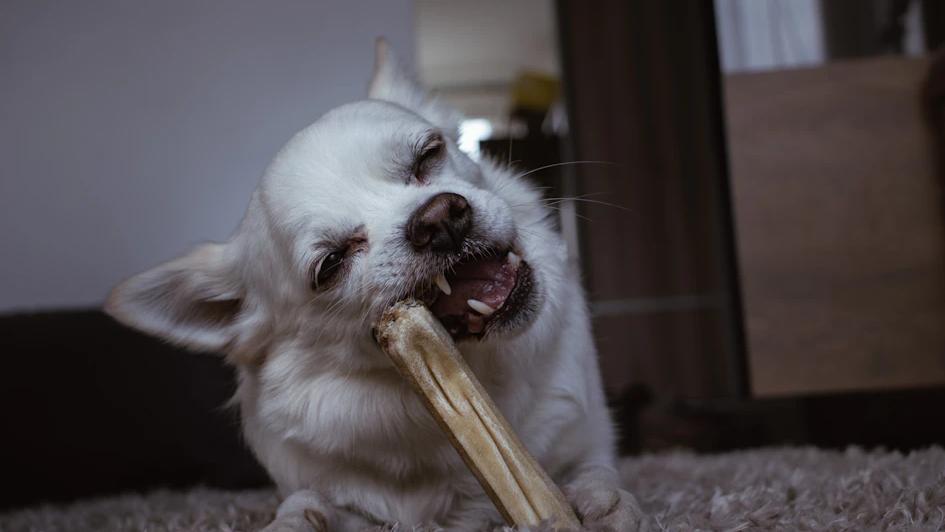
How to Fix Dog Bad Breath at Home: A Step-by-Step Guide
Is your dog’s breath making you wince? You’re not alone. Pet parents often face this common issue, but thankfully, you can learn how to fix dog bad breath at home with a few consistent strategies. This guide will walk you through the most effective methods to combat that unpleasant odor and improve your dog’s overall oral hygiene.
Addressing bad breath isn’t just about pleasant company; it’s crucial for your dog’s health. Persistent bad breath can be a sign of underlying dental or even systemic health problems. By taking proactive steps, you can not only freshen your dog’s breath but also catch potential issues early. Let’s dive into the practical, at-home solutions.
What You’ll Need
Before you begin tackling canine halitosis, gather these essentials:
- Dog-specific toothbrush and toothpaste: Never use human toothpaste, as it can be toxic to dogs.
- Dental chews or water additives: Look for veterinarian-approved options.
- A healthy diet: High-quality dog food plays a role.
- Patience and consistency: These are your most important tools.
Step 1: Regular Tooth Brushing
This is the cornerstone of fixing dog bad breath at home. Plaque and tartar buildup are primary culprits behind foul odors. Brushing removes food particles and bacteria before they harden.
- Choose the Right Tools: Select a toothbrush designed for dogs. These often have softer bristles and angled heads. Dog-specific toothpaste is essential; it comes in flavors dogs enjoy and is safe if swallowed.
- Introduce Gradually: Let your dog taste the toothpaste. Gently lift their lip and rub a little on their gums with your finger. Do this for a few days until they’re comfortable.
- Start Brushing: Begin by brushing just a few teeth at a time. Focus on the outer surfaces, where plaque tends to accumulate most.
- Gentle Technique: Use a circular motion, just like you would for yourself. Be gentle to avoid irritating their gums.
- Increase Duration: Gradually increase the number of teeth you brush and the duration of the session until you can brush all teeth.
- Frequency is Key: Aim for daily brushing if possible. Even brushing a few times a week makes a significant difference.
According to the American Kennel Club (AKC), regular brushing is one of the most effective ways to prevent dental disease and keep breath fresh. Their expert advice emphasizes consistency for optimal results.
Step 2: Incorporate Dental Chews and Toys

Chewing is a natural dog behavior that can help clean their teeth. Certain chews and toys are designed to scrape away plaque and tartar.
- Select Appropriate Chews: Opt for dental chews approved by the Veterinary Oral Health Council (VOHC). These have undergone testing to prove their efficacy in reducing plaque and tartar.
- Supervise Chewing: Always supervise your dog when they are chewing on anything, especially dental chews. Ensure the chews are the right size to prevent choking hazards.
- Choose Durable Toys: Look for rubber toys with textured surfaces. These can help massage gums and scrub teeth during play.
- Rotate Toys: Keep things interesting by rotating their dental toys. This encourages continued engagement.
These can supplement brushing but shouldn’t replace it entirely. They offer a convenient way to boost your dog’s oral hygiene between brushings. Research from PetMD highlights that dental chews can reduce plaque and tartar buildup, contributing to fresher breath.
Step 3: Consider Dental Water Additives or Sprays

For dogs who resist brushing or as an additional measure, dental water additives or oral sprays can be helpful.
- Water Additives: These are mixed directly into your dog’s drinking water. They work by reducing the bacteria in the mouth that cause bad breath.
- Oral Sprays: Sprays are applied directly to the teeth and gums. They often contain enzymes or antibacterial agents to combat odor-causing bacteria.
- Follow Instructions: Always use these products as directed by the manufacturer or your veterinarian. Overuse or incorrect application can be ineffective or even harmful.
- Observe Your Dog: Ensure your dog continues to drink water or tolerate the spray. Some dogs may be hesitant at first.
These products can be a good addition to your routine, especially for dogs with sensitive mouths. The Merck Veterinary Manual notes that various dental products can aid in controlling plaque and gingivitis, which are major sources of bad breath.
Step 4: Evaluate and Improve Diet
What your dog eats significantly impacts their breath. Poor quality food can contribute to plaque buildup and general digestive issues that manifest as bad breath.
- Choose High-Quality Food: Opt for a balanced, high-protein diet formulated for your dog’s life stage. Look for foods with whole ingredients and avoid excessive fillers like corn or soy, which can contribute to dental problems.
- Dry Kibble Benefits: While not a cure-all, dry kibble can have a mild abrasive effect that helps clean teeth as your dog chews.
- Avoid Table Scraps: Many human foods are high in sugar or carbohydrates, which can promote bacterial growth in the mouth. Some foods are also toxic to dogs.
- Consult Your Vet: Discuss your dog’s diet with your veterinarian. They can recommend specific food brands or types that support good oral health.
A healthy diet supports a healthy immune system and can reduce overall inflammation, including in the mouth. Vetstreet points out that diet can play a role in the development of dental issues, so a good food choice is fundamental.
Step 5: Professional Veterinary Dental Cleanings
While this guide focuses on at-home solutions, it’s crucial to understand when professional help is needed. If bad breath is severe or persists despite home care, a professional cleaning is essential.
- Schedule a Vet Visit: If you suspect a serious dental problem or if home care isn’t working, book an appointment with your veterinarian.
- Dental Examination: Your vet will perform a thorough oral examination, checking for gum disease, broken teeth, or other issues.
- Professional Cleaning: This typically involves scaling (removing plaque and tartar above and below the gum line) and polishing the teeth. Anesthesia is usually required for a safe and complete procedure.
- Follow-up Care: Your vet will advise on post-cleaning care and recommend a long-term dental hygiene plan.
Professional cleanings are vital for removing hardened tartar (calculus) that brushing cannot address. WebMD emphasizes that regular veterinary dental check-ups are key to maintaining your dog’s oral health and preventing serious problems.
Common Mistakes to Avoid
- Using Human Toothpaste: This is toxic to dogs and can cause stomach upset or more severe health issues. Always use dog-specific toothpaste.
- Skipping the Gums: Plaque and tartar often build up along the gum line. Ensure you gently lift your dog’s lips to clean this area.
- Giving Up Too Soon: It takes time and consistency for your dog to adjust to new routines, especially brushing. Be patient and persistent.
- Ignoring Underlying Health Issues: Persistent bad breath can signal serious health problems like kidney disease or diabetes. Don’t delay veterinary consultation if you suspect something more serious.
- Over-reliance on Chews: Dental chews are supplements, not replacements, for brushing. They can help, but they won’t eliminate the need for regular tooth brushing.
Tips for Success
- Make it a Routine: Integrate dental care into your daily or weekly schedule. Consistency is key.
- Positive Reinforcement: Reward your dog with praise, treats, or playtime after dental care sessions. This builds positive associations.
- Start Young: If you have a puppy, introduce dental care early. They are more likely to accept it as normal.
- Monitor Gum Health: Look for signs of redness, swelling, or bleeding gums. These require veterinary attention.
- Hydration Matters: Ensure your dog has constant access to fresh water. This helps rinse away food particles and bacteria.
Frequently Asked Questions
Can I use baking soda to clean my dog’s teeth?
While baking soda has abrasive qualities, it’s generally not recommended for regular use in dogs. Its strong taste can be off-putting, and if ingested in large amounts, it can cause stomach upset or electrolyte imbalances. It’s safer and more effective to stick with specially formulated dog toothpastes.
How often should I brush my dog’s teeth?
Ideally, you should brush your dog’s teeth daily. If daily brushing isn’t feasible, aim for at least three times a week. Consistency is more important than the exact number of times, but the more frequent, the better the results for preventing plaque and tartar.
What are the signs of serious dental disease in dogs?
Signs of serious dental disease include persistent bad breath, reluctance to eat, dropping food, pawing at the mouth, excessive drooling, red or swollen gums, bleeding from the mouth, loose or missing teeth, and visible tartar buildup. If you notice any of these, consult your veterinarian immediately.
Are dental treats effective enough on their own?
Dental treats can be a helpful addition to your dog’s oral hygiene routine, but they are rarely effective enough on their own to prevent significant dental disease. They help reduce plaque and tartar to some extent, but they cannot replace the mechanical cleaning action of brushing or the thoroughness of a professional dental cleaning. Always choose VOHC-approved treats for maximum benefit.
My dog has very bad breath and won’t let me brush their teeth. What can I do?
If your dog is resistant to brushing, start by desensitizing them slowly. Use positive reinforcement and focus on getting them comfortable with you touching their mouth. In the meantime, explore other options like dental water additives, sprays, or VOHC-approved dental chews. However, it’s crucial to address the underlying cause of the bad breath. If it’s severe, a veterinary visit is essential for examination and potential professional cleaning, which can make future at-home care easier.
You’ve now learned practical, step-by-step methods to fix dog bad breath at home. By implementing regular brushing, providing appropriate dental chews, considering dietary improvements, and knowing when to seek professional help, you can significantly improve your dog’s oral health and enjoy fresher breath. Consistent effort is key to maintaining a healthy mouth and a happier, healthier companion.