
The Ultimate Guide: How to Remove Dog Smell Naturally
Introduction
For millions of pet owners, dogs are beloved members of the family. However, even the most cherished canine companions can leave behind a distinct, sometimes overwhelming, odor. This pervasive scent, often a mix of natural oils, dander, and bacteria, can settle deeply into carpets, furniture, and air ducts, making your home feel less than fresh.
The good news is that achieving an odor-free environment doesn’t require harsh chemical sprays or artificial fragrances. As experts in home care and hygiene, we advocate for powerful, natural solutions. Learning how to remove dog smell naturally is not only safer for your family and pets but often more effective at neutralizing the root cause of the stench rather than just masking it. This comprehensive guide provides actionable steps and proven techniques using simple, readily available ingredients to restore freshness to your home.
Understanding the Source of the Smell
Before tackling the odor, it’s crucial to understand why dogs smell. The primary source is sebum, the natural oil produced by a dog’s skin glands, which protects their coat. When this sebum interacts with environmental moisture, bacteria, and yeast, it creates the characteristic “dog smell.” Additionally, common sources include:
- Dander: Shed skin flakes that trap oils and attract dust.
- Moisture: Wet dog smell is amplified when bacteria flourish on damp fur or fabrics.
- Accidents: Urine and feces odors contain ammonia and sulfur compounds that require specific enzyme-based neutralization.
Effective natural odor removal requires a two-pronged approach: hygiene for the dog and deep cleaning for the home.
Foundational Step: Hygiene is Key
The most effective way to address canine odor in your home is to reduce the odor emanating from the source—your dog.
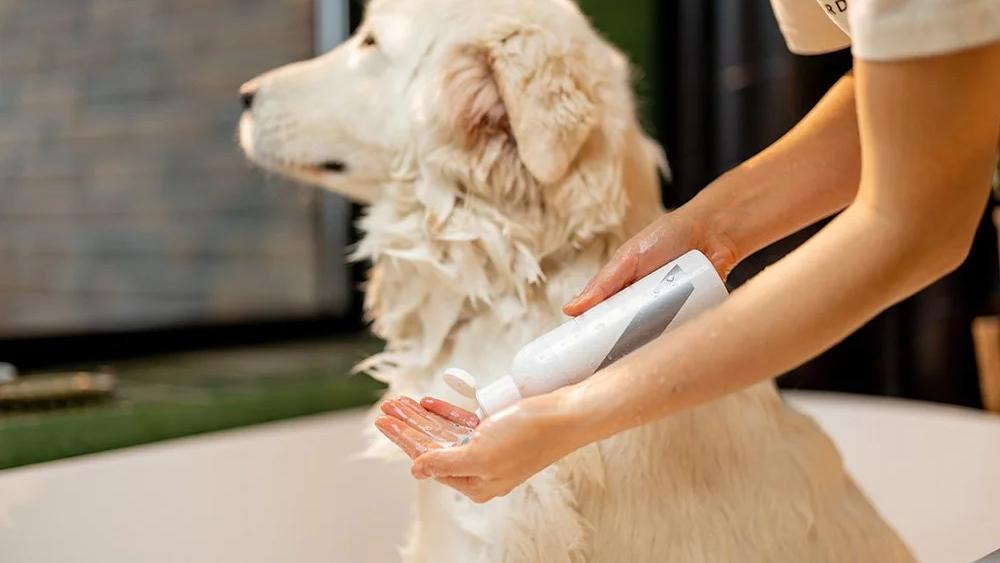
- Routine Bathing: Establish a consistent, yet not excessive, bathing schedule using a high-quality, natural dog shampoo. Focus especially on cleaning paws and underbelly after outdoor activity.
- Regular Brushing: Frequent brushing removes loose fur, dander, and external debris before they fall onto your carpets and furniture.
- Ear and Dental Care: Dog ears can harbor yeast and bacteria, leading to strong localized odors. Similarly, poor dental hygiene can contribute significantly to overall pet smell.
The Power Trio: Natural Odor Eliminators
When seeking to remove dog smell naturally from surfaces, three powerful, non-toxic household staples form the foundation of most pet odor remedies.
Baking Soda: The Ultimate Absorber
Sodium bicarbonate (baking soda) is unparalleled in its ability to absorb and neutralize acidic and alkaline odors, locking them into its crystalline structure. It is safe for most fabrics and incredibly effective on porous surfaces like carpets and upholstery.
White Vinegar: The Neutralizing Acid
Distilled white vinegar is a mild acetic acid that works as a powerful deodorizer and disinfectant. It doesn’t just mask smells; it chemically neutralizes odor-causing bacteria and breaks down oils. While the vinegar scent is strong initially, it dissipates quickly, leaving no residual smell.
Hydrogen Peroxide: For Stubborn Urine Stains
For old or challenging organic stains (like pet urine), a mixture of baking soda, dish soap, and 3% hydrogen peroxide provides an oxidizing action that helps lift stains and destroy odor compounds. Caution: Always test hydrogen peroxide solutions on an inconspicuous area first, as it can occasionally cause bleaching.
Targeted Treatment: Removing Dog Smell from Specific Areas
Effective homemade dog deodorizer solutions are tailored to the surface material.
Carpets and Rugs
Carpets act like odor magnets, trapping dander and oils deep within the fibers. The baking soda method is essential here.
- Preparation: Thoroughly vacuum the area to remove loose hair and dirt.
- Application: Liberally sprinkle a layer of plain baking soda over the affected carpet or rug. For particularly pungent areas, you can mix 10-15 drops of pet-safe essential oils (like lavender or cedarwood) into the baking soda before sprinkling.
- Wait Time: Allow the baking soda to sit for at least four hours—ideally overnight—to maximize odor absorption.
- Removal: Vacuum the baking soda thoroughly, using a vacuum with strong suction and a HEPA filter to capture fine particles.
Upholstery and Furniture
For sofas, chairs, and mattresses, the method is similar, but requires more care to avoid saturating the fabric.
- Dusting Method: Apply baking soda and let it sit for several hours, then use a brush attachment to vacuum it up.
- Vinegar Spray: Mix equal parts white vinegar and water in a spray bottle. Lightly mist the fabric surface. If you detect urine odors, gently blot the spot with the vinegar solution using a cloth, ensuring you do not rub the stain deeper. The vinegar will neutralize the ammonia.
Hardwood Floors and Tile
Hard surfaces are easier to clean, but residue and tracked-in oils can still leave a smell. Avoid chemical cleaners that leave films, which can attract more dirt.
- Mop Solution: Mix one cup of white vinegar with a gallon of warm water. Use this solution to mop hard floors. The vinegar sanitizes, neutralizes odors, and leaves the floor streak-free.
- Grout Cleaning: Old odors can settle in porous grout. Apply a paste of baking soda and water to the grout lines, let it sit for 30 minutes, and scrub with a stiff brush before rinsing.
Pet Bedding and Laundry
Pet bedding is the single greatest source of concentrated dog odor in the home and must be washed frequently.
- Laundry Boost: Before running a normal cycle, add half a cup of white vinegar directly to the wash cycle (along with your regular detergent). The vinegar helps strip oils and odors from the fabric.
- Pre-Soak: For extremely soiled bedding, pre-soak the material in a tub of hot water and one cup of baking soda for an hour before washing.
Proactive Solutions for Long-Term Freshness
Consistency and preventative measures are vital for maintaining a naturally fresh environment.
Improve Ventilation and Air Quality
Stagnant air magnifies odor. Ensure your home has proper airflow.
- Open Windows: Airing out the home daily, even for a short period, helps exchange odor-saturated air.
- Air Purifiers: Invest in a high-quality air purifier with a carbon filter. Carbon is highly effective at absorbing airborne odors caused by dander and volatile organic compounds (VOCs). This is one of the best long-term natural pet odor removal strategies.
Regular Deep Cleaning
Commit to a routine schedule, including regular vacuuming, washing pet toys, and moving furniture quarterly to clean areas where dogs frequently rest.
Enzyme Cleaners (A Natural Adjunct)
While not always strictly made from kitchen ingredients, professional enzyme cleaners are often cited as the gold standard for natural cleaning because they don’t rely on harsh chemicals. These cleaners use beneficial bacteria and enzymes to consume the organic matter (urine proteins, oils) causing the odor, permanently eliminating the source.
Conclusion
Maintaining a beautiful, fresh home while sharing it with your dogs is entirely achievable using simple, powerful, and natural methods. By combining regular pet hygiene with targeted cleaning using the versatile trio of baking soda, white vinegar, and hydrogen peroxide, you can effectively remove dog smell naturally and create a healthier environment for both your human and canine family members. Consistency is key; make these natural odor removal techniques part of your routine, and enjoy a perpetually fresh home.