
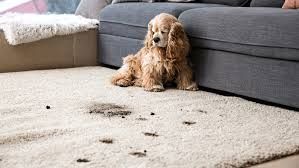
How to Remove Pet Smell from House: A 7-Step Expert Guide
If you share your home with furry friends, chances are you’ve run into the frustrating problem of persistent pet odors. Lingering smells, especially those caused by accidents, can feel impossible to eliminate. The good news is that learning how to remove pet smell from house is absolutely achievable once you understand the science behind the odor. It requires more than just masking the scent—you have to neutralize the source.
This guide breaks down the professional cleaning process into clear, manageable steps. By the end, your home will feel clean, fresh, and free from those embarrassing lingering odors.
What You’ll Need Before You Start
To tackle pet smells effectively, you need specialized tools to locate and neutralize the odor source.
Essential Materials:
- Enzymatic Cleaner: This is non-negotiable for pet urine. Enzymes break down the uric acid crystals that cause the persistent smell, which regular cleaners cannot do.
- UV Black Light (Pet Stain Finder): Urine stains are often invisible to the naked eye, especially on carpets. A black light makes them glow, allowing you to treat the source directly.
- White Vinegar: Excellent natural deodorizer for hard surfaces.
- Baking Soda: A powerful, cheap odor absorber for carpets and upholstery.
- Clean Towels or Paper Towels: For blotting.
- Optional: Steam cleaner or wet vacuum (used after enzyme treatment).
The 7-Step Plan: How to Remove Pet Smell from House

The goal is a comprehensive attack: finding the sources, treating the sources, and cleaning the surrounding environment.
Step 1: Locate Every Stain Using a Black Light
If you can’t find the stain, you can’t treat it. Lingering odors usually mean you missed a spot.
- Dim the Lights: Wait until the room is dark (evening is best).
- Scan the Area: Slowly move the UV light across carpets, baseboards, and furniture.
- Mark the Spots: When you find a glowing area (often yellowish-green), mark the boundaries with masking tape or chalk. This ensures your enzyme application covers the entire problem area.
Expert Tip: Don’t forget vertical surfaces! Pets sometimes mark walls, door frames, or baseboards.
Step 2: Remove Physical Residue (Blot, Don’t Rub)
If the accident is fresh, or if you are treating an older stain that still feels moist, remove as much physical moisture as possible.
- Cover the Area: Place several layers of clean, absorbent towels directly over the spot.
- Apply Pressure: Stand on the towels or press firmly to draw the moisture up.
- Repeat: Change the towels and repeat the process until no more moisture transfers to the clean cloth.
Warning: Never rub the area, especially on carpets. Rubbing pushes the urine deeper into the padding and fibers, making removal far harder.
Step 3: Saturate the Area with Enzymatic Cleaner
This is the most critical step for eliminating urine odor permanently.
- Apply Liberally: Pour or spray the enzymatic cleaner onto the marked area, making sure you completely saturate the spot—and the carpet padding beneath it.
- Wait: Follow the cleaner instructions, but usually, the product needs to sit for 15–20 minutes to give the enzymes time to work.
- Keep it Wet: If the cleaner starts to dry too quickly, cover the area lightly with a damp towel to keep the enzymes active.
- Blot Dry: Once the dwell time is up, use clean towels to blot up the excess liquid.
Step 4: Deep Clean Carpets and Hard Floors
After neutralizing the stain, it’s time for overall surface cleaning.
For Carpets:
- If using a carpet cleaner/steam machine, always use it after the enzymatic treatment is fully completed. Heat (steam) applied before the enzymes can permanently set the odor.
- Use a pet-specific cleaning solution in the machine to refresh the entire room.
For Hard Floors (Tile, Vinyl, Sealed Wood):
- Mix equal parts white vinegar and water. The vinegar naturally neutralizes odors and cleans surfaces without harming most finishes.
- Mop or wipe the entire floor surface, paying close attention to grout lines where odors can linger.
Step 5: Address All Soft Furnishings and Laundry
Odor molecules are volatile and settle into fabrics throughout the room, even if the pet didn’t have an accident on them.
- Washable Items: Wash pet beds, blankets, cushion covers, curtains, and throw rugs.
- Laundry Boost: Add 1 cup of white vinegar to the rinse cycle alongside your regular detergent for extra deodorizing power.
Step 6: Purify the Air and Ventilation System
If the general air still smells stale, the odors have circulated through your HVAC system or settled into porous materials.
- Change Air Filters: Replace the air filter in your furnace or air conditioner. Pet dander, hair, and dust trapped in old filters contribute significantly to overall house smell.
- Ventilation: Open all windows and run fans for several hours to exchange the stale, odor-filled air with fresh outdoor air.
Step 7: Final Deodorization
Finish the process by letting simple household products absorb any final residual smells.
- Carpet Odor Absorption: Sprinkle a generous layer of baking soda over any previously stained carpet areas (or the entire room).
- Let it Sit: Leave the baking soda undisturbed for at least 8 hours, or overnight.
- Vacuum Thoroughly: Vacuum up the baking soda. It absorbs ambient odors as it sits.
Common Mistakes & How to Avoid Them

Beginners often inadvertently make the odor situation worse. Avoid these pitfalls:
Mistake
Why It Harms Odor Removal
How to Fix/Avoid
Using Ammonia Cleaners
Ammonia smells chemically similar to urine, encouraging the pet to mark the area again.
Stick exclusively to enzyme cleaners.
Using Steam Cleaners First
The heat from steam cleaners chemically bonds the protein and uric acid to the carpet fibers permanently.
Always use an enzyme cleaner first, then follow up with steam cleaning later.
Skipping the Black Light
You will only treat the visible portion of the stain, leaving 80% of the odor source untreated beneath the surface.
Always scan the area with a UV light to find the full extent of the mess.
Not Saturating the Padding
Urine soaks deep into the carpet pad and subfloor. If you only spray the surface fibers, the smell will return when the humidity rises.
Be liberal with the enzyme cleaner to ensure it reaches the padding.
Pro Tips for Stubborn Odors
These advanced techniques are helpful if the smell persists, indicating the odor has penetrated deeply.
- Subfloor Sealing: If you have repeated accidents in the same spot on wood floors, the urine may have soaked into the subfloor. After thoroughly cleaning the area, you may need to apply an odor-blocking primer (like shellac or Kilz) directly to the wood subfloor before replacing the carpet or flooring.
- Use a Spot Treatment Vacuum: A specialized small wet vacuum (often handheld) is far more effective at extracting the enzyme cleaner and dirty moisture from the carpet than simply blotting with towels.
- Charcoal Filters: Place small, porous bags of activated charcoal (not briquettes) in corners of the room. Charcoal is highly effective at passively filtering and absorbing ambient odors over time.
Troubleshooting Pet Odor FAQs
Why does my house smell fine until it rains or gets humid?
Humidity reactivates the salt and uric acid crystals deep within the carpet or subfloor. When the crystals absorb moisture, they release the foul smell again. This confirms that the source was not fully neutralized, and you need a second, deeper application of enzymatic cleaner.
Will professional carpet cleaning fully eliminate pet odors?
Not necessarily. Standard professional cleaning uses detergents and powerful suction, but if they skip the specialized enzyme pre-treatment, they may only mask the smell temporarily or even set it deeper with hot water extraction.
I cleaned the carpets, but the wood furniture still smells. What do I do?
Wood is porous and absorbs odors. Lightly wipe the wood surfaces with a solution of 1 part white vinegar to 3 parts water. For deep-set odors in unfinished wood, a specialized urine odor removal product designed for porous materials may be necessary.
Breathe Easier
Successfully tackling pet odors requires patience and the right tools. By systematically finding every source, applying powerful enzymatic cleaners, and addressing the entire environment (air, fabrics, and filters), you can master how to remove pet smell from house.
Start the process today by grabbing that black light and your favorite enzyme cleaner. You’ll be surprised how quickly you can restore the fresh, clean atmosphere of your home.
More Guides on Pet Odor in the Home
- Dog Pee Smells Like Fish: Causes and When to Call a Vet
- The Mystery Solved: Why Your Dog Smells Like Wet Carpet
- How to Get Dog Pee Smell Out of a Couch: Step by Step
- How to Get Dog Pee Smell Out of Wood Floors and Furniture
- How to Get Dog Poop Smell Out of Carpet: 6 Easy Steps
- How to Get Dog Smell Out of a Couch (Step by Step)
- How to Get Pee Out of a Mattress: Fresh and Dried Stains
- How to Get Pet Odor Out of Carpet: A Step-by-Step Guide
- How to Get Rid of Dog Pee Smell: Steps That Work
- How to Get Rid of Dog Poop Smell in House (Fast Fixes)
- How to Get Urine Smell Out of Clothes
- How to Stop a Dog From Peeing in the House: Vet-First Fixes
- How to Take Urine Smell Out of Carpet: What Works
How does pet stain and odor removal actually work?
Pet urine, vomit, and feces are all forms of organic waste. The smell comes from compounds in that waste, and from bacteria that feed on it. If the waste dries out, the compounds stay in the fibers, and any moisture you add later wakes the odor up again.
Enzyme cleaners are designed to attack that waste directly at the source. Enzymes act as catalysts, which means they speed up the natural breakdown of the mess. According to Rover, many products use helpful bacteria to make those enzymes. They split the waste into smaller pieces that bacteria can then digest.
Perfume sprays and scented powders only cover the smell. Your pet's nose is far better than yours, so the spot still smells like a bathroom to them.
What should you use, and what should you skip?
Start with an enzymatic cleaner that is made for use around pets. PetSmart's learning center calls these the best choice for urine, vomit, and feces. Always test the product on a hidden patch of fabric first, so you know it won't change the color.
Some common cleaning products can make the problem worse instead of better. The ASPCA warns that cleaners with ammonia or bleach can encourage your cat to urinate in that spot again. Urine itself gives off an ammonia smell, so a cleaner that smells like it sends the wrong signal to your pet.
Heat is another trap that catches many pet owners. Steam cleaners can set the stain and odor into the fibers, according to this Yahoo cleaning guide. Skip them until the spot has been fully treated with an enzyme cleaner and dried.
| Product | Best use | Watch out for |
|---|---|---|
| Enzyme cleaner | Urine, vomit, feces, old odors | Needs time to sit and must stay wet |
| Plain water and blotting | Fresh spills, first step | Won't remove odor alone |
| Baking soda | Light leftover smell on dry fabric | Weak on deep urine odor |
| Vinegar | Mild cleanup on some fabrics | Strong smell can attract pets back |
| Ammonia or bleach cleaners | Nothing in this case | May encourage repeat marking |
| Steam cleaner | Only after the stain is gone | Can set stain and odor |
Frequently Asked Questions
Why does my house smell like dog?
Dog smell is rarely one thing. It comes from bacteria and yeast living on the coat and skin, plus bacteria in the mouth. Angi's DIY guide says those odors soak into carpets, upholstery, beds, and toys. They can linger for months or years if the source never gets treated.
That's why spraying air freshener fails. You're covering a smell that's stored in the fabrics. Remove the stored odor, and the room changes.
Start with the dog. A persistent smell can also point to a medical issue. Dogster's vet-reviewed tips list ear infections, skin disorders, and gum disease as common causes. If the dog still smells strong after a bath, book a vet visit before you scrub the whole house.