
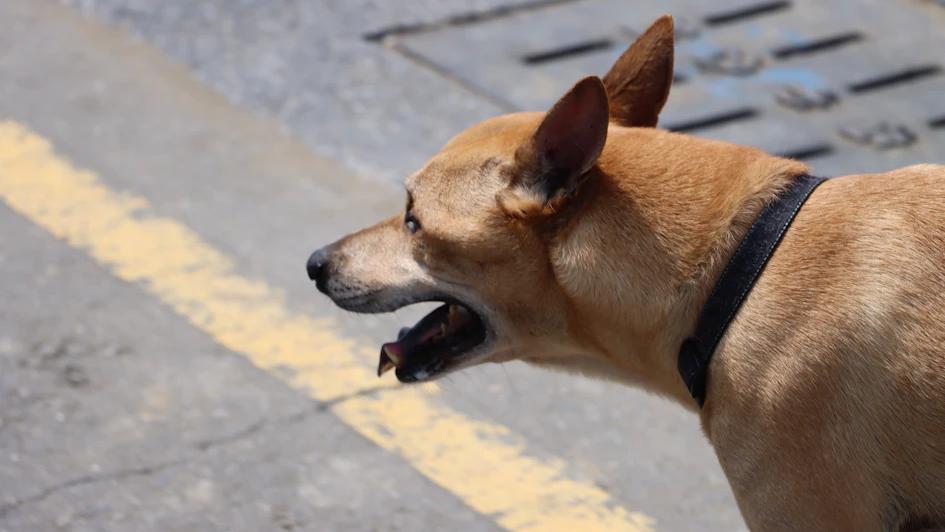
Dog Bad Breath After Eating: Causes & Fixes
That tell-tale whiff after your dog finishes their meal. It’s a common, albeit unpleasant, experience for many dog owners. You love your furry friend dearly, but when their breath turns sour after eating, it can make those close cuddles a bit… challenging. Understanding why dog bad breath after eating happens is the first step to solving it.
This isn’t just about pleasantries; persistent bad breath can sometimes signal underlying health issues. can sometimes signal underlying health issues. We’ll explore the most common culprits, from what’s in their food bowl to potential dental problems and even systemic diseases. You’ll learn practical, actionable steps to combat that canine halitosis and restore fresh breath to your home.
Food Particles Stuck
This is perhaps the most straightforward reason for that lingering odor. When your dog eats, small pieces of kibble, wet food, or even treats can get lodged between their teeth, on their gums, or in their tongue. These particles then begin to break down.
This decomposition process, especially with wet food or particularly smelly treats, creates volatile sulfur compounds. These compounds are the primary culprits behind that ‘rotten egg’ or 'that 'fishy’ smell. It’s a natural, albeit smelly, consequence of digestion of digestion and oral hygiene.
Dietary Indiscretions
Dogs are curious creatures, and their noses often lead them to things they shouldn’t eat. This could be anything from garbage scraps found on a walk to a dropped piece of food at home. Even something seemingly innocuous, like grass, can contribute to bad breath if eaten in large quantities.
When dogs ingest unusual or decaying matter, their digestive system works overtime. The breakdown of these less-than-ideal substances can release foul-smelling gases. These gases can then be expelled through burping or even absorbed into the bloodstream and released through the lungs, manifesting as bad breath.
What’s in the Bowl? The Impact of Diet
Not all dog food is created equal, and some ingredients can contribute to less-than-fresh breath. Low-quality kibble, for instance, might contain fillers or ingredients that are harder for dogs to digest fully. This incomplete digestion can lead to gas and, consequently, bad breath.
Furthermore, some ingredients are inherently more odorous. Fish-based dog foods, while often nutritious, can sometimes leave a distinct smell on a dog’s breath. Even certain types of treats, particularly those with strong flavors or artificial additives, can temporarily impact breath odor.
Dental Disease: The Silent Culprit
This is a significant cause of persistent bad breath that goes beyond just a post-meal funk. Periodontal disease, which includes gingivitis and periodontitis, is incredibly common in dogs. It’s an infection and inflammation of the gums and supporting structures of the teeth.
According to VCA Animal Hospitals, dental disease is a prevalent issue. “Five reasons your pet may have bad breath” highlights that plaque and tartar buildup are major contributors. Bacteria thrive in this environment, producing foul odors. Data from VCA Animal Hospitals suggests that by the time dogs are two years old, most have some form of dental disease. This bacterial overgrowth is a primary driver of chronic halitosis.
Plaque and Tartar Buildup
Plaque is a sticky film of bacteria, food debris, and saliva that constantly forms on your dog’s teeth. If not removed regularly, plaque hardens into tartar (calculus). Tartar is rough and porous, providing an even better surface for bacteria to colonize.
This bacterial accumulation is the direct source of that unmistakable ‘dog breath’ smell. It’s not just about the smell; the bacteria associated with plaque and tartar can also lead to gum inflammation (gingivitis) and eventually tooth loss if left untreated.
Gum Inflammation (Gingivitis)
Gingivitis is the early stage of periodontal disease. It’s characterized by red, swollen, and sometimes bleeding gums. The inflammation is the body’s response to the bacterial toxins produced by the plaque buildup.
Even before significant tartar forms, the inflammation itself can contribute to a foul odor. The damaged gum tissue can harbor bacteria and release unpleasant smells. Left unchecked, gingivitis progresses to periodontitis, affecting the bone and ligaments holding the teeth in place.
Underlying Health Conditions
While less common than dental issues, persistent bad breath can sometimes be a symptom of more serious systemic health problems. These issues affect the body’s internal systems, and their byproducts can manifest as foul odors on the breath.
For instance, kidney disease can cause breath to smell like ammonia or urine. Liver disease might result in breath that has a musty or even sweet, foul odor. Conditions like diabetes can lead to breath that smells fruity or like nail polish remover (ketones).
Gastrointestinal Issues
Problems within the digestive tract can also contribute to bad breath. If your dog experiences frequent vomiting, regurgitation, or has issues with indigestion, the smell from their stomach can come up.
Conditions like inflammatory bowel disease (IBD) or even simple constipation can lead to gas buildup. This gas, if it smells unpleasant, can be expelled through the mouth, leading to halitosis. It’s the body’s way of trying to release built-up pressure or byproducts.
Respiratory Tract Infections
Infections in the nose, sinuses, or lungs can also cause foul-smelling breath. These infections often involve the buildup of mucus, pus, or dead tissue, all of which can produce a very unpleasant odor.
If the bad breath is accompanied by other symptoms like sneezing, nasal discharge, coughing, or difficulty breathing, an infection in the respiratory system should be considered. This requires prompt veterinary attention.
What You Can Do About Dog Bad Breath After Eating
Fortunately, there are many effective strategies to combat that unpleasant odor and keep your dog’s breath fresh. The approach often depends on the underlying cause, but consistent care is key.
1. Improve Oral Hygiene
This is the cornerstone of preventing and treating bad breath. Just like humans, dogs need their teeth cleaned regularly to remove plaque and prevent tartar buildup.
- Brushing: Daily brushing with a dog-specific toothbrush and toothpaste is the gold standard. Start slowly and make it a positive experience. The American Kennel Club (AKC) emphasizes the importance of regular dental care, noting that brushing is one of the most effective ways to prevent dental disease.
- Dental Wipes/Sprays: If brushing is a challenge, dental wipes or sprays can help remove some surface plaque.
- Dental Chews: Choose vet-approved dental chews that are designed to scrape plaque off teeth as your dog chews.
2. Re-evaluate Their Diet
Sometimes, a simple change in diet can make a significant difference. Consider the quality of your dog’s food.
- High-Quality Food: Opt for a diet rich in high-quality proteins and easily digestible ingredients. Consult your veterinarian for recommendations.
- Dental Diets: Some specialized dog foods are formulated with a texture and composition that helps clean teeth during chewing.
- Limit Treats: Be mindful of the types and quantity of treats you give. Some treats are more likely to cause bad breath than others.
3. Dental Water Additives and Powders
These products can be a convenient addition to your dog’s routine. Water additives are mixed into your dog’s drinking water, while powders are sprinkled over their food.
Research published by the AKC on dog dental powders suggests they can be effective. “How Dog Dental Powders Help Target Bad Breath and…” explains that these products often contain enzymes or ingredients that help break down plaque and reduce odor-causing bacteria. They offer an easy way to supplement other dental care efforts.
4. Regular Veterinary Check-ups
Professional dental cleanings are crucial, especially for dogs prone to significant plaque and tartar buildup. Your vet can perform a thorough cleaning under anesthesia, removing hardened tartar and checking for any underlying dental disease.
According to PetMD, regular veterinary visits are essential for diagnosing and treating the causes of bad breath. Their article, “Bad Breath in Dogs: Causes and Treatment,” stresses that a veterinarian can identify issues ranging from simple plaque to more serious internal diseases that may be causing halitosis.
5. Address Underlying Health Issues
If your vet suspects a health condition beyond dental problems, they will conduct further diagnostics. This might include blood tests, urine analysis, or imaging.
Treating the root cause—whether it’s kidney disease, diabetes, or a gastrointestinal issue—is paramount. Addressing these conditions will not only improve your dog’s overall health but also resolve the associated bad breath.
Common Beginner Questions
### My dog’s breath smells like fish. What does that mean?
A fishy odor is often linked to anal gland issues, though it can also be related to dental disease or certain types of food. Anal glands are small sacs located on either side of a dog’s anus that secrete a strong-smelling fluid. If these glands become impacted or infected, they can cause a very distinct, unpleasant smell that might be mistaken for breath odor. Sometimes, a dog might lick their rear end, transferring the smell to their mouth. Dental disease can also produce a similar smell due to the bacteria involved.
### How quickly can I expect results after starting a new dental routine?
Visible improvements in breath freshness can often be noticed within a week or two of consistent daily brushing and the use of dental chews or water additives. However, complete resolution of bad breath caused by significant dental disease may take longer and often requires a professional cleaning by a veterinarian. For dietary changes, you might notice a difference within a few days to a week as the new food is fully processed.
### Can I use human toothpaste on my dog?
Absolutely not. Human toothpaste contains ingredients like fluoride and xylitol, which are toxic to dogs if swallowed. Dogs tend to swallow toothpaste rather than spit it out, leading to potential poisoning. Always use toothpaste specifically formulated for dogs. These are safe to swallow and often come in flavors dogs find appealing.
### My dog eats poop. How do I stop this and the bad breath?
Coprophagia (eating feces) is a common but unpleasant behavior. It can significantly contribute to bad breath because dogs are ingesting bacteria and waste. To address it, focus on prevention: clean up waste immediately, prevent access to litter boxes or other dogs’ feces, and ensure your dog has a balanced, high-quality diet. There are also deterrent supplements and training strategies that can help. Consulting a veterinarian or a professional dog trainer can provide tailored advice for this specific issue.
### My vet recommended a dental cleaning. Is it really necessary?
Yes, if your veterinarian recommends a professional dental cleaning, it is usually very necessary, especially if significant plaque and tartar are present or if dental disease is suspected. These cleanings are performed under anesthesia, allowing the vet to thoroughly clean above and below the gum line, take dental X-rays to assess tooth root health, and extract unhealthy teeth if needed. This is often the most effective way to treat existing dental disease and prevent future problems, which directly addresses the root cause of chronic bad breath.
Final Thoughts on Fresh Breath
That unpleasant dog bad breath after eating doesn’t have to be a permanent fixture in your home. By understanding the various causes, from simple food particles to more complex health issues, you can take targeted action. Consistent oral hygiene, a high-quality diet, and regular veterinary care are your most powerful tools.
Remember, your dog relies on you for their health and well-being. Addressing bad breath is not just about making cuddles more pleasant; it’s about ensuring your canine companion is healthy from the inside out. With a little effort and attention, you can both enjoy fresher breath and closer companionship.